


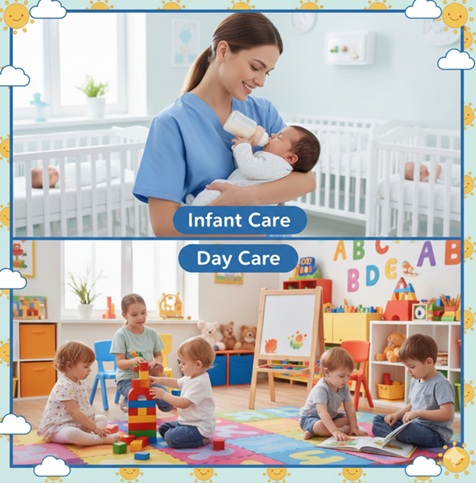
Finding the best preschool in Bangalore shapes your child’s first steps in learning and social growth. Focus on schools that match your child’s temperament, values, and practical needs—location, fee transparency, curriculum (Montessori vs play-way), and teacher-to-child ratio are the most important factors to compare.
This article best preschool highlights top preschools across the city and gives clear criteria to help you shortlist options quickly. You’ll get practical signs of a good campus, questions to ask during visits, and ways to weigh fees against quality so you can decide with confidence.
Top Preschools in Bangalore
You’ll find preschools that excel on safety, teacher quality, curriculum balance, and location convenience. Look for institutions with clear fee structures, transparent admission steps, and strong parent communication.
Criteria for Ranking
You should prioritize safety measures, staff qualifications, and teacher-to-child ratios. Inspect records for staff CPR/first-aid, CCTV coverage, secure pick-up protocols, and child-friendly facilities.
Academic criteria include an age-appropriate curriculum, play-based learning hours, and assessment methods that emphasize development milestones rather than high-stakes testing.
Operational factors matter for daily life. Check class timings, holiday calendars, transportation routes, and fee transparency (registration, tuition, activity, and resource fees).
Also weigh parent involvement policies, digital communication platforms, and published student progress reports.
Reputed Institutions
You can expect top preschools in Bangalore to be clustered across central and tech corridors like Koramangala, Whitefield, Indiranagar, and HSR Layout. Many reputable options maintain affiliations with early-childhood education networks or accreditations from local education bodies.
Look for schools that publish staff CVs, maintain consistent batch sizes (12–20 per class), and offer multi-sensory classrooms with indoor and outdoor play areas.
Compare each school’s strengths: some focus on language-rich environments and bilingual exposure, while others emphasize STEM-leaning playsets or art and movement.
Ask for recent parent testimonials, sample daily schedules, and a trial day to observe teacher-child interactions and transition routines.
Montessori and Playway Options
If you prefer Montessori, seek certified Montessori-trained guides, individual learning plans, and prepared environments with tactile materials (Practical Life, Sensorial, Math beads).
Montessori classrooms usually group mixed ages (2.5–6 years) and encourage self-directed activity; confirm material upkeep and guide-to-child ratios (ideally 1:8–1:12).
For Playway, prioritize structured play sessions, thematic units, and activity rotations that build social skills, gross motor development, and emergent literacy.
Check that play-based programs include scheduled story time, art, sand/water play, and gross-motor outdoor play, plus measurable developmental checks to track progress.
How to Choose the Right Preschool
Identify the approach to learning, the safety and facilities available, and the qualifications of the staff to match your child’s needs and your daily routine. Focus on measurable details—daily schedules, teacher-to-child ratios, safety features, and certification—when comparing options.
Curriculum and Teaching Methodologies
Look for a clearly defined curriculum and daily routine. Ask for a sample weekly plan showing how time is allocated to play, guided learning, language, motor skills, and rest. Verify whether the school uses Montessori, play-based, Reggio Emilia, or a hybrid model and request examples of activities that demonstrate hands-on learning and child-led exploration.
Check assessment methods: are observations, portfolios, or developmental checklists used instead of frequent formal tests? Confirm how the preschool handles transitions to primary school—do they introduce pre-literacy and numeracy skills through play, or use formal worksheets? If you prefer STEM emphasis, ask for specific materials and frequency of science or math activities.
Safety and Infrastructure
Inspect entrances, fencing, and visitor controls during a visit. Note CCTV coverage, secure child pick-up procedures, and whether staff conduct daily safety drills and first-aid checks. Ask for the school’s emergency plan and how they communicate incidents to parents.
Assess classroom layout and outdoor play areas for age-appropriate equipment and soft surfacing. Check hygiene practices: diapering/toileting routines, handwashing schedules, food handling, and whether meals are prepared on-site or outsourced. Confirm transport safety if the school provides buses—seat belts, child locks, driver background checks, and route supervision matter.
Teacher Qualifications
Request teacher credentials and years of experience for lead teachers in your child’s room. Prefer teachers with qualifications in early childhood education (ECE), diplomas, or recognized certifications and ongoing in-service training records. Ask how many assistants support each lead teacher and the typical teacher-to-child ratio during different parts of the day.
Inquire about staff retention and background checks. High turnover can disrupt attachment and routine. Also ask about professional development: how often teachers receive training on child development, inclusion, behavior guidance, and first aid. Knowing these specifics helps you judge the quality of daily interactions and learning continuity.