


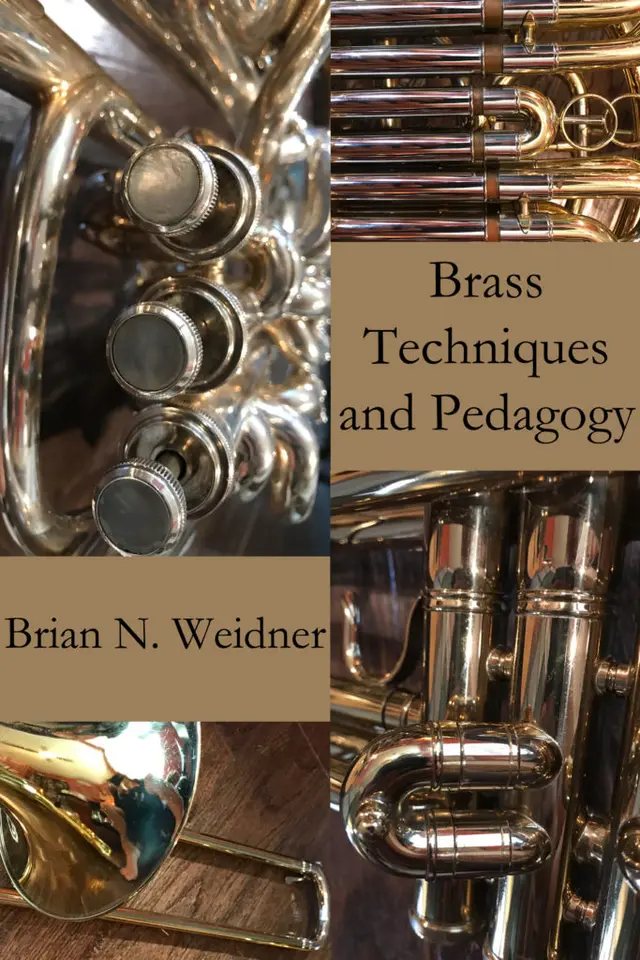
Brass instruments have a timeless charm. From the triumphant call of a trumpet to the deep resonance of a tuba, brass music has a unique way of stirring emotion. But beyond their sonorous power lies a fascinating world of technique and pedagogy that shapes how musicians play, express, and connect with their instruments. Whether you’re a budding trumpeter or an advanced trombonist, understanding brass techniques and the best pedagogical approaches can make a huge difference in your journey.
In this guide, we’ll explore practical strategies, learning methods, and teaching approaches that can help anyone improve their brass playing while maintaining musicality and expression.
Why Brass Techniques Matter
Brass instruments demand more than just blowing air. They require precision, breath control, embouchure strength, and musical interpretation. Focusing on technique ensures that you:
- Produce consistent, clean tones across registers.
- Avoid physical strain and develop endurance for longer performances.
- Increase agility for complex passages.
- Master expressive dynamics, from soft legato phrases to bold fanfares.
Proper pedagogy complements technique by creating a structured approach to learning. With the right teaching methods, even beginners can develop foundational skills efficiently, while advanced players can refine tone and articulation for professional-level performance.
Core Brass Techniques Every Musician Should Know
- Breath Control and Support
Breath is the engine of brass music. Without proper air support, even the best embouchure won’t produce a consistent sound. Techniques for strong breath control include:
- Diaphragmatic breathing: Expanding the lower lungs while inhaling for fuller support.
- Long-tone exercises: Sustaining notes helps build control and focus on tone quality.
- Breath pacing: Matching breath intake to musical phrasing ensures consistent tone without strain.
Example: Practicing a slow, crescendo-decrescendo on a single note strengthens both lung capacity and tone consistency.
- Embouchure Development
The embouchure—how the lips, facial muscles, and mouthpiece interact—is key to producing a clear sound. Pedagogical focus includes:
- Strengthening lip muscles gradually with targeted exercises.
- Maintaining a consistent aperture to avoid pitch fluctuations.
- Adjusting pressure between lips and mouthpiece for tone control.
Tip: Daily warm-ups, even for 10–15 minutes, can prevent fatigue and improve flexibility.
- Articulation and Tonguing
Articulation shapes the clarity of your music. Brass players use their tongue to start and separate notes. Techniques include:
- Single tonguing: Using a simple “ta” or “da” motion to define each note.
- Double and triple tonguing: For fast passages, alternating syllables like “ta-ka” or “ta-ka-ta” keeps notes crisp.
- Legato tonguing: Smooth transitions between notes without breaking the line.
Practicing scales with different articulation styles improves control and adaptability in various musical contexts.
- Range Expansion
Increasing your playable range is a common goal for brass players. Effective approaches include:
- Gradual exercises that stretch the upper and lower registers without strain.
- Lip slurs to strengthen flexibility between notes.
- Focused practice sessions that emphasize accuracy over volume.
Careful progression prevents fatigue and ensures longevity in brass playing careers.
- Tone Quality and Intonation
A beautiful tone is the hallmark of mastery. To refine it:
- Record practice sessions to evaluate sound consistency.
- Play with varied dynamics to understand resonance.
- Use tuning exercises to strengthen pitch accuracy.
Teachers often recommend playing along with recordings or with a piano to maintain precise intonation.
Pedagogical Approaches for Effective Learning
Individualized Instruction
No two brass players are alike. A good pedagogical method tailors exercises and feedback based on a musician’s unique strengths and weaknesses. This may include:
- Focused breathing and embouchure drills for beginners.
- Repertoire-based learning for advanced students.
- Feedback loops that encourage self-assessment and reflection.
Group Learning and Ensemble Work
Playing in ensembles or bands is an essential pedagogical tool. Benefits include:
- Developing timing and listening skills.
- Learning to balance tone with other instruments.
- Applying techniques in real-world musical contexts.
Ensemble work is also motivating, creating a shared learning experience that reinforces discipline and creativity.
Incorporating Technology
Modern pedagogy often includes digital tools:
- Online tutorials and play-along tracks for self-guided learning.
- Metronome and tuner apps for precise rhythm and pitch.
- Platforms like Netbookflix provide structured lessons for both theory and practice.
Technology allows learners to practice efficiently and access expert guidance anywhere.
Mental Practice and Visualization
Successful brass players often emphasize the mental side of learning:
- Visualizing fingerings and breathing patterns enhances muscle memory.
- Silent practice helps refine timing and articulation without physical strain.
- Combining mental rehearsal with physical practice accelerates mastery.
Benefits of Strong Brass Techniques
Mastering brass techniques and pedagogy offers multiple advantages:
- Enhanced musical expression: Freedom to interpret pieces with emotion.
- Technical agility: Ability to tackle complex passages effortlessly.
- Reduced fatigue and injury: Sustainable practice through correct methods.
- Professional versatility: Preparedness for orchestras, bands, and solo performances.
FAQs on Brass Techniques and Pedagogy
How often should a brass player practice daily?
- Practicing 60–90 minutes daily is effective for beginners, with warm-ups and targeted technique exercises included.
- What is the most important brass technique for beginners?
Breath control and embouchure development form the foundation of all other techniques. - Can lip slurs improve range?
Yes, lip slurs enhance flexibility and help expand both upper and lower registers safely. - How do I improve articulation speed?
Practicing scales with single, double, and triple tonguing, gradually increasing tempo, develops speed and precision. - Is group practice necessary for brass players?
While not mandatory, ensemble work enhances timing, listening, and musicality significantly. - What role does technology play in brass pedagogy?
Metronomes, tuners, play-along tracks, and platforms like Netbookflix provide guidance, feedback, and structured learning options. - How can I maintain tone quality over long sessions?
Use proper breath support, take short breaks, and focus on relaxed embouchure techniques to prevent fatigue. - Can mental practice replace physical practice?
Mental practice complements physical practice by reinforcing memory, but cannot fully replace actual playing. - How do teachers adapt pedagogy for advanced players?
Advanced pedagogy often focuses on interpretation, repertoire challenges, and refining expressive techniques. - What is the quickest way to improve intonation?
Regularly practicing with a tuner, recording yourself, and playing alongside reference pitches improves accuracy efficiently.
Conclusion
Brass playing is both an art and a science. Mastering techniques like breath control, embouchure, articulation, range, and tone quality is essential. At the same time, pedagogy—whether individualized, group-based, or technology-assisted—guides players toward consistent improvement and musical expression. By combining careful practice, expert guidance, and modern tools, brass musicians at any level can unlock their full potential.
With dedication and the right strategies, you can not only play the notes but truly make the music resonate, bringing every performance to life.