


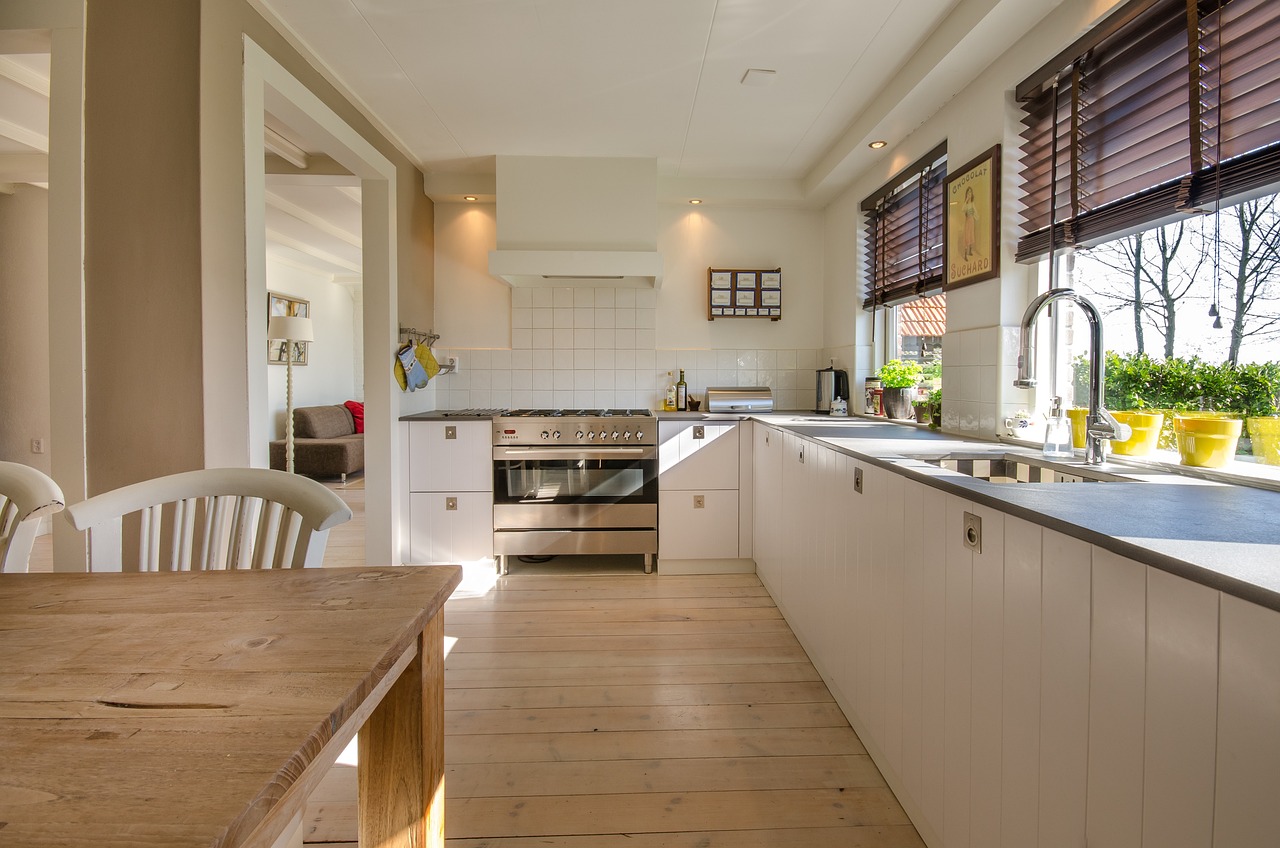
You want a floor that looks great, lasts for years, and fits your lifestyle — and a residential flooring specialist helps you get there efficiently. A flooring specialist evaluates your space, recommends the right material and finish for durability and aesthetic, and ensures professional installation that avoids costly mistakes.
Trusting a pro saves you time and money by matching materials (hardwood, vinyl, tile, carpet) to traffic patterns, moisture levels, and maintenance needs, and by delivering precise installation and finishing. Expect clear guidance on costs, timelines, and long-term care so your investment performs as promised.
Expertise of Residential Flooring Specialists
Specialists assess your space, recommend suitable materials, and execute installations with methods tailored to your home’s traffic patterns, moisture levels, and aesthetic goals. They balance durability, maintenance, and cost to produce a floor that performs and looks right for your needs.
Types of Flooring Solutions
You’ll encounter several common options with distinct strengths:
- Hardwood: Solid or engineered planks that add value and warmth; best for living areas and bedrooms. Engineered hardwood suits basements and kitchens better due to moisture resistance.
- Laminate: Cost-effective, scratch-resistant planks that mimic wood or stone; good for high-traffic zones and pet owners.
- Vinyl (LVP/LVT): Waterproof, easy to clean, and available in realistic textures; ideal for kitchens, bathrooms, and rentals.
- Tile (ceramic/porcelain): Hard-wearing and water-resistant; choose porcelain for heavy moisture areas and ceramic for lower-traffic spaces.
- Carpet: Soft underfoot and insulating; select for bedrooms and low-moisture areas where sound dampening matters.
- Specialty (epoxy, polished concrete, terrazzo): Durable commercial-grade finishes for garages, basements, or modern interiors.
List the practical trade-offs—cost, maintenance, and expected lifespan—when choosing between these options. Ask your specialist about warranties and long-term performance in similar homes.
Installation Techniques
Professionals use methods matched to material and subfloor conditions. For hardwood, they may use nail-down, glue-down, or floating installs depending on board type and subfloor. Engineered planks often float or glue; solid hardwood typically requires nailing.
For tile, installers prepare a cement backer or uncoupling membrane, apply thinset, set tiles with spacers, and grout with appropriate sealers. Vinyl can be loose-laid, glue-down, or click-lock; seams and transitions must be expertly sealed for waterproofing. Laminate and some vinyl use floating installations with expansion gaps; specialists handle transitions and trim to prevent buckling.
Subfloor leveling, moisture testing (using meters), and acclimation of materials to room conditions are non-negotiable steps. You should get a clear timeline, site protection plan, and post-installation care instructions before work starts.
Material Selection Guidance
A specialist evaluates room function, humidity, foot traffic, pets, and your budget to recommend materials. For a busy household with kids and pets, they often suggest waterproof LVP or durable porcelain tile. For resale value and a classic look, solid or engineered hardwood usually ranks high.
They compare thickness, wear layers, and AC ratings for laminates and vinyl. For tiles, they check PEI rating and slip resistance (COF). For carpets, they advise on fiber type (nylon vs. polyester), pile height, and stain treatments. Expect concrete slab moisture tests and R-value or underfloor heating compatibility checks when relevant.
Ask for samples to view in your lighting and request documented warranty terms, expected maintenance steps, and estimated lifespan for each option.
Benefits of Hiring Residential Flooring Specialists
Hiring a specialist saves you time, reduces risk, and delivers a finished floor that meets performance and style requirements. Expect precise material selection, proper subfloor prep, guaranteed workmanship, and options tailored to your household’s traffic and moisture conditions.
Quality Assurance
You get skilled installers who follow manufacturer specifications and local building codes. That reduces the chance of warping, uneven seams, and premature wear that commonly result from DIY work.
Specialists use calibrated tools and industry-tested methods—moisture meters for subfloors, proper acclimation for hardwood, and correct trowel patterns for adhesives—so installations perform as intended.
Warranties matter. Professionals often provide workmanship guarantees and can register manufacturer warranties for you. If an issue arises, a documented warranty plus professional accountability typically costs less than repairing or replacing a poorly installed floor.
Customization Options
A specialist helps you choose products matched to your household: scratch-resistant finish for pets, waterproof vinyl for basements, or high-grade hardwood for living areas. They assess traffic patterns, sunlight exposure, and moisture risk to recommend specific planks, tile sizes, grout types, and underlayment systems.
You can expect precise layout planning—board direction, border patterns, and transition thresholds—so the final look aligns with your aesthetic and functional goals.
Specialists also coordinate stains, finishes, and custom inlays when needed. They can source specialty materials, order accurate quantities to minimize waste, and provide samples or mock-ups so you see the result before installation.
Long-Term Value
A correctly installed floor extends service life and preserves resale value. Proper subfloor prep, moisture control, and correct fasteners reduce callbacks and structural issues that shorten a floor’s usable life.
Professionally installed floors often show better long-term performance, keeping appearance and functionality with routine maintenance rather than early replacement.
You save money over time. Fewer repairs, reduced warranty-denial risk, and optimized material use lower total cost of ownership. For buyers, well-documented professional installation can strengthen appraisals and improve marketability.