


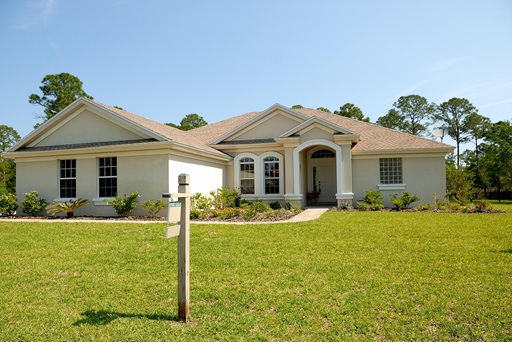
Thinking about a prefab home? You can get a high-quality, energy-efficient house built faster and often cheaper than traditional site-built construction, with many customizable designs from single‑story cottages to two‑storey modular homes. Prefab homes combine factory precision with on-site assembly to cut construction time, reduce waste, and give you predictable costs without sacrificing style or performance.
This article walks through what prefab homes are, how manufacturers and local builders deliver finished sections, and the key benefits and considerations—like financing, site prep, and customization options—so you can decide if prefab fits your plans and budget. You’ll learn practical points that help you compare models, timelines, and costs, and spot the questions to ask dealers, builders, and lenders.
What Are Prefab Homes?
Prefab homes are residences built from factory-made components that arrive on-site for assembly. They can shorten construction time, control costs, and improve energy performance compared with traditional stick‑built houses.
History of Prefabricated Housing
Prefabrication dates to the 19th century with pre-cut kit houses shipped by rail and sea, including mail-order catalog homes that allowed standardized parts and rapid assembly. After World War II, prefab systems expanded to meet urgent housing needs; governments and manufacturers used modular and panelized methods to build mass housing quickly.
From the 1970s onward, advances in materials, factory automation, and transportation broadened prefab use into high-end custom homes and commercial buildings. Today you’ll find prefab in affordable housing, vacation cottages, multi‑unit apartments, and energy‑efficient passive designs.
Types of Prefab Homes
Modular: Built as three‑dimensional boxes (modules) in a factory, then craned onto foundations and joined. Modules can be stacked or combined to create multi‑story layouts. They meet local building codes as permanent structures.
Panelized: Walls, floors, and roof panels are factory‑built and assembled on-site. This method reduces on-site labor while retaining more design flexibility than modules.
Manufactured (mobile): Built on a permanent chassis to HUD code (U.S.) and transported whole. They often cost less but may face land and financing restrictions.
Other systems include SIPs (structural insulated panels) and timber‑frame kits. Choose based on site access, design needs, budget, and financing or code requirements.
How Prefab Homes Are Built
Design and permits: You select a plan or customize one, obtain local permits, and confirm foundation and utility hookups. Early coordination with engineers and local inspectors avoids costly delays.
Factory fabrication: Components are produced under controlled conditions—framing, insulation, windows, and MEP (mechanical, electrical, plumbing) systems are integrated. Factory QA reduces waste and improves precision.
Transport and assembly: Modules or panels get shipped to your site. A crane places modules on footings or foundation; crews fasten connections, seal joints, and complete exterior finishes. For panel systems, crews erect walls and roofs on-site.
On-site finishing: Contractors connect utilities, install interior finishes, and complete site work—driveways, landscaping, and any porches or decks. Final inspections confirm code compliance before occupancy.
Benefits and Considerations of Prefab Homes
Prefab homes often save time and money, reduce waste, and offer predictable quality, while requiring you to plan for site preparation, permits, and financing differences. You’ll trade some on-site flexibility for factory-controlled precision and faster delivery.
Cost and Financing
Prefab construction typically lowers on-site labor costs and reduces schedule delays, which can cut overall building costs by 10–30% compared to similar stick-built projects. You’ll still pay for a lot or pad, utility hookups, foundation work, and transport/craning of modules; those site costs can vary widely by location.
Financing can differ from conventional mortgages. Many lenders treat prefab homes like site-built houses, but modular builds sometimes qualify for construction-to-permanent loans or manufacturer-backed financing. Get written cost breakdowns, a fixed-price contract, and lender pre-approval to avoid surprise expenses.
Sustainability and Energy Efficiency
Factory construction minimizes material waste through repeatable cutting and bulk purchasing, lowering your embodied carbon and disposal costs. Controlled conditions also improve air sealing and insulation quality, which helps meet energy standards like ENERGY STAR, LEED, or Passive House when specified.
You can save on operating costs with high-efficiency HVAC, continuous insulation, and pre-installed solar-ready roofs. Ask manufacturers for blower-door results, insulation R-values, and window U-factors to compare real performance rather than marketing claims.
Customization Options
Prefab comes in several formats—modular, panelized, and manufactured—each offering different customization levels. Modular systems let you stack and combine modules for varied layouts, while panelized systems allow more on-site customization of exterior finishes and floor plans.
You can choose finishes, fixtures, and energy packages at the factory, often with quicker lead times and consistent quality. However, fully bespoke architectural features (complex curves, unusual cantilevers) may be limited or add cost; verify change-order rules and finish samples before signing.
Common Challenges
Site constraints and local regulations often pose the biggest hurdles. Zoning, setbacks, and codes may restrict where prefab units can be used, and some jurisdictions require specific foundation or utility connections that add cost and time.
Logistics can complicate delivery: road width, bridge heights, and crane access affect module size and transport cost. You’ll need coordinated scheduling between manufacturer, site contractor, and local inspectors; misalignment can cause delays or additional site storage fees. Ask for a detailed timeline and contingency allowances in your contract.